

 Authorized Dealer
 English
 中文
中文 日本語
日本語






Siemens, a German multinational and Fortune 500 leader in the electrical engineering and electronics sector, has recently launched a 20W fast-charging figure-8 power socket, which ChargerLAB has just obtained for review.Beyond its unique figure-8 design that saves wall socket space, this product features a built-in USB fast charging module with three ports (2x USB-A, 1x USB-C). The USB-C port supports 9V/2.22A fast charging, making it convenient to directly fast charge iPhone 12/13. This article provides a detailed teardown and analysis of its internal design and build quality.
Siemens 20W Fast Charging Figure-8 Socket - Appearance
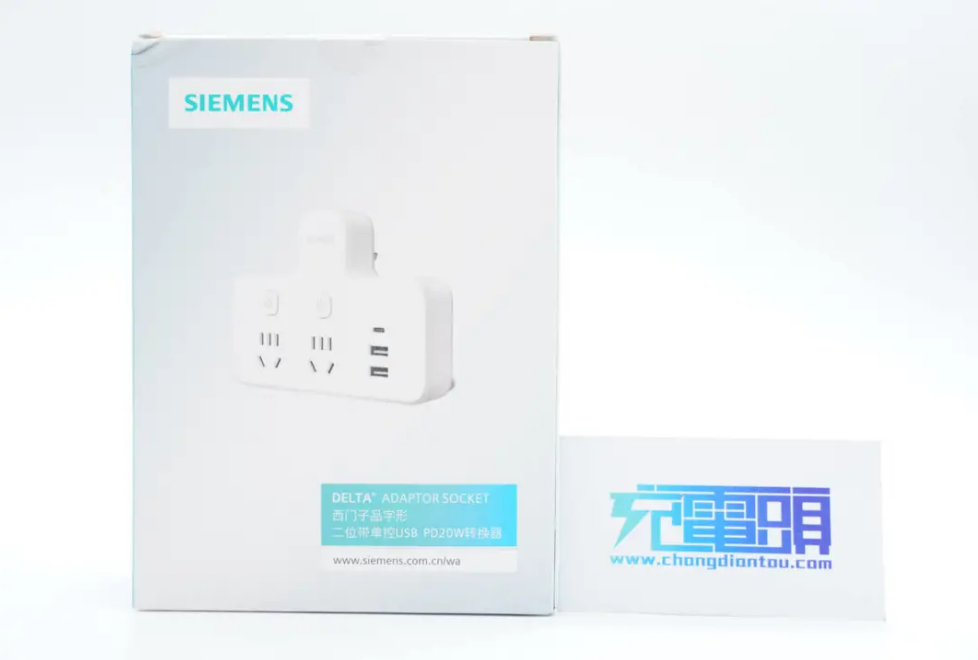
The front of the packaging box features the SIEMENS logo, a product image of the socket, and its name.
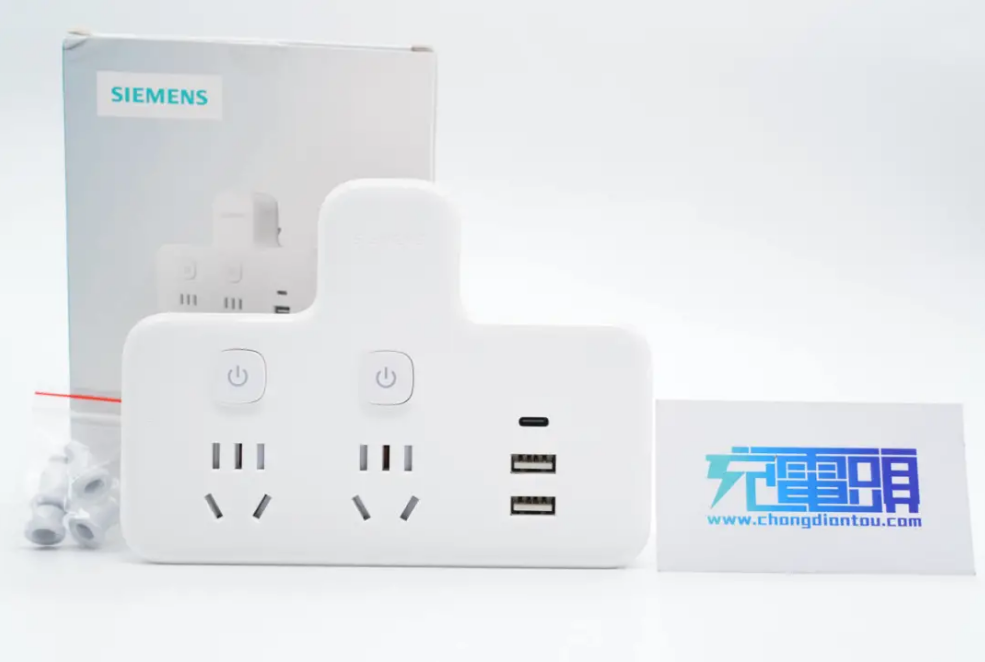
The package includes the socket and four supporting pillars.
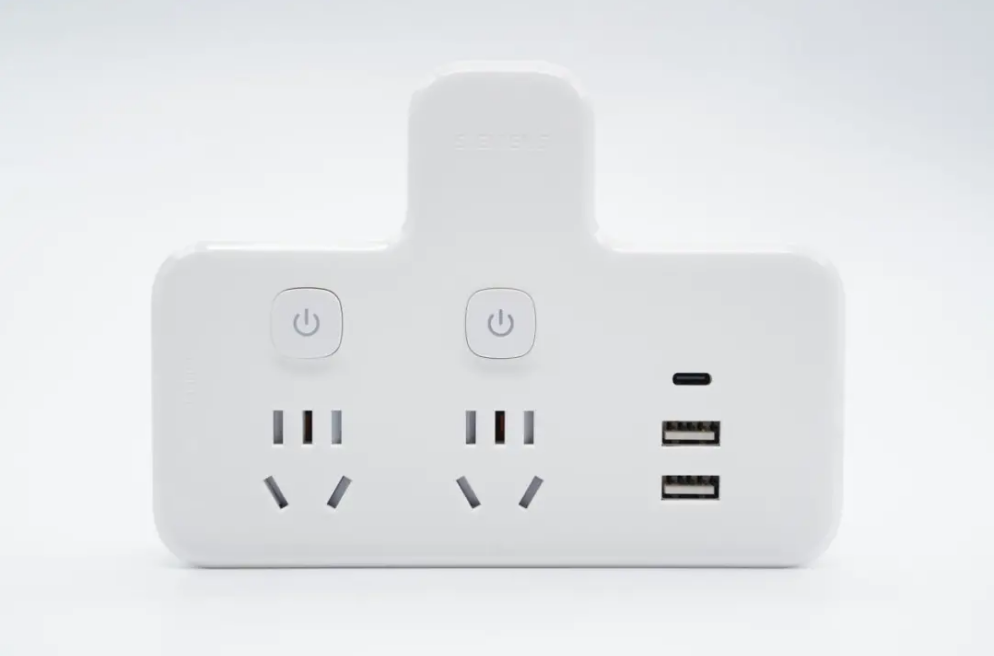
The front panel features two 3+2 new Chinese standard outlets and three USB ports (2x USB-A and 1x USB-C).
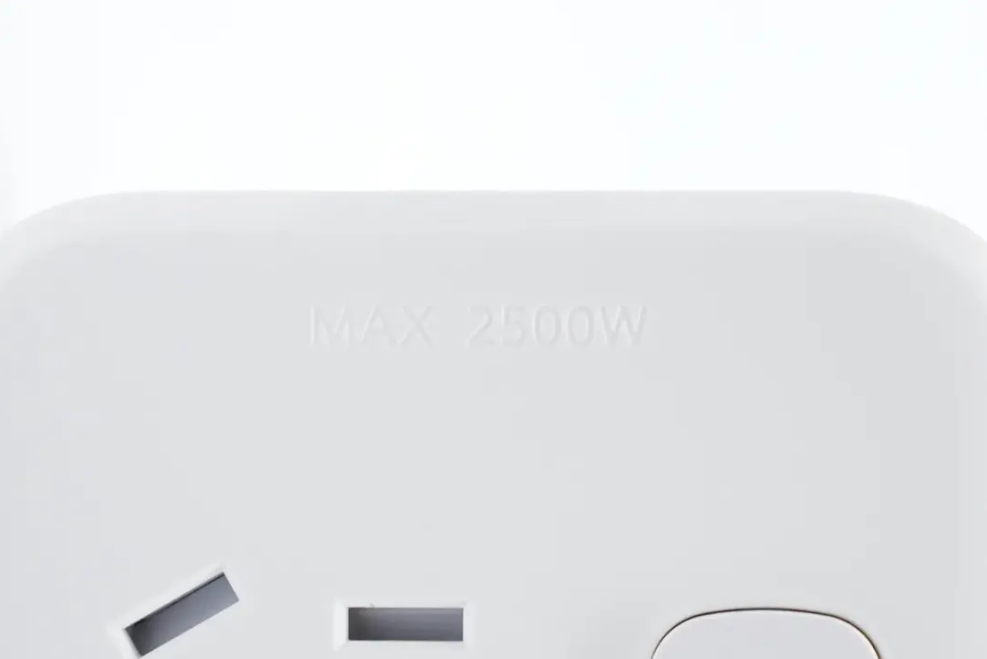
The socket has a maximum rated power of 2500W, meeting mainstream standards.
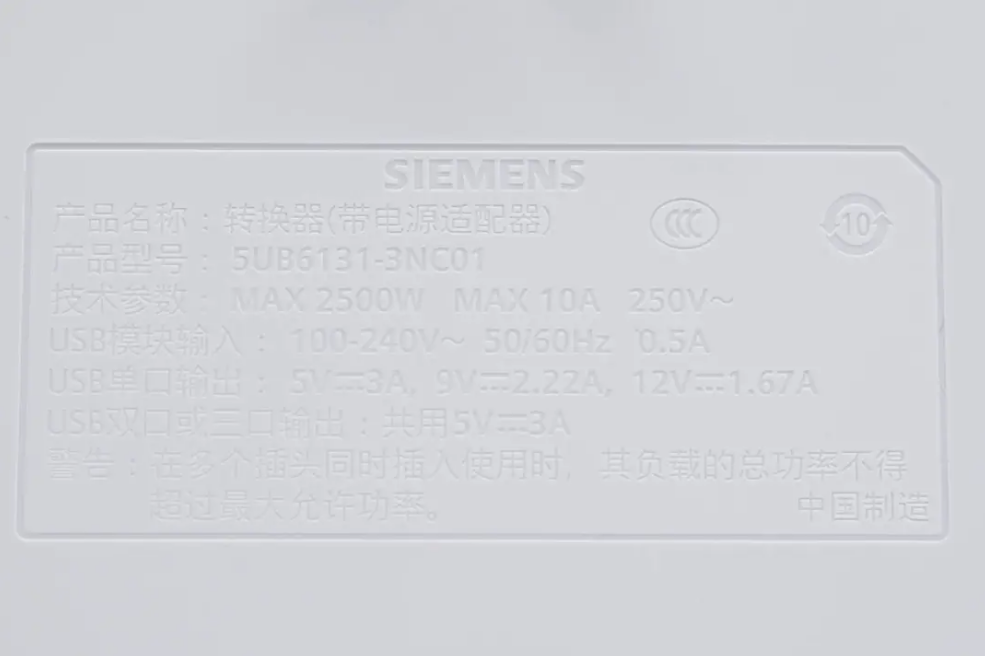 Product name: Converter (with power adapter)
Product model: 5UB6131-3NC01
Technical specifications: MAX 2500W | MAX 10A | 250V~
USB module input: 100-240V~ 50/60Hz 0.5A
USB single-port output: 5V/3A, 9V/2.22A, 12V/1.67A
USB dual/triple-port output: 5V/3A
The product has obtained 3C certification.
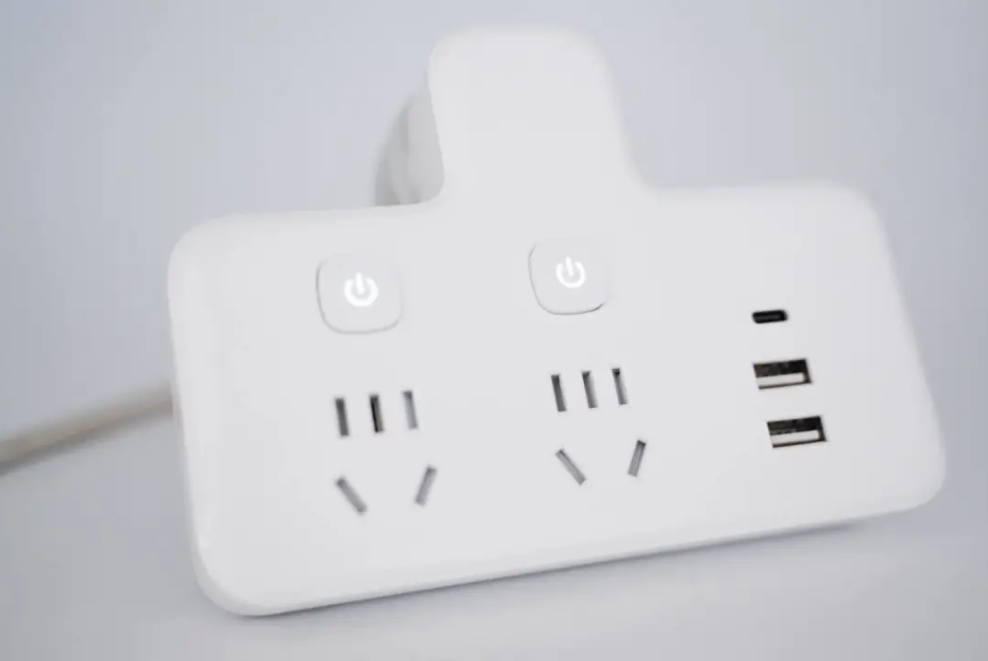
When powered on, the center of the switch will illuminate white to indicate the connection status.
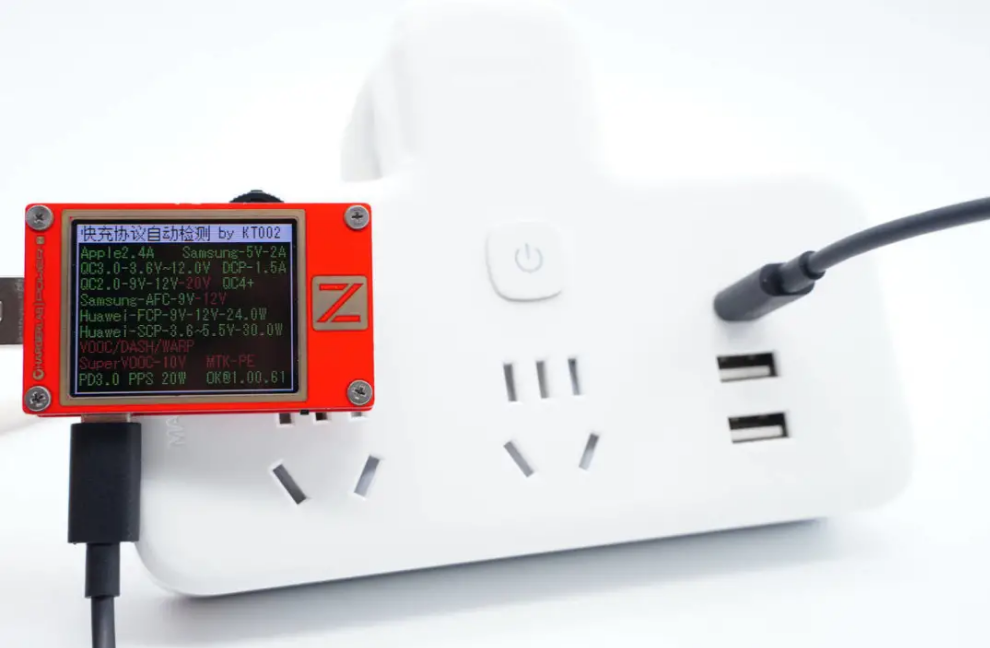
Using the ChargerLAB POWER-Z KT002, the USB-C port is measured to support Apple 2.4A, Samsung 5V/2A, and DCP protocols, as well as QC2.0/3.0, AFC, FCP, SCP, PD3.0, and PPS fast charging protocols.
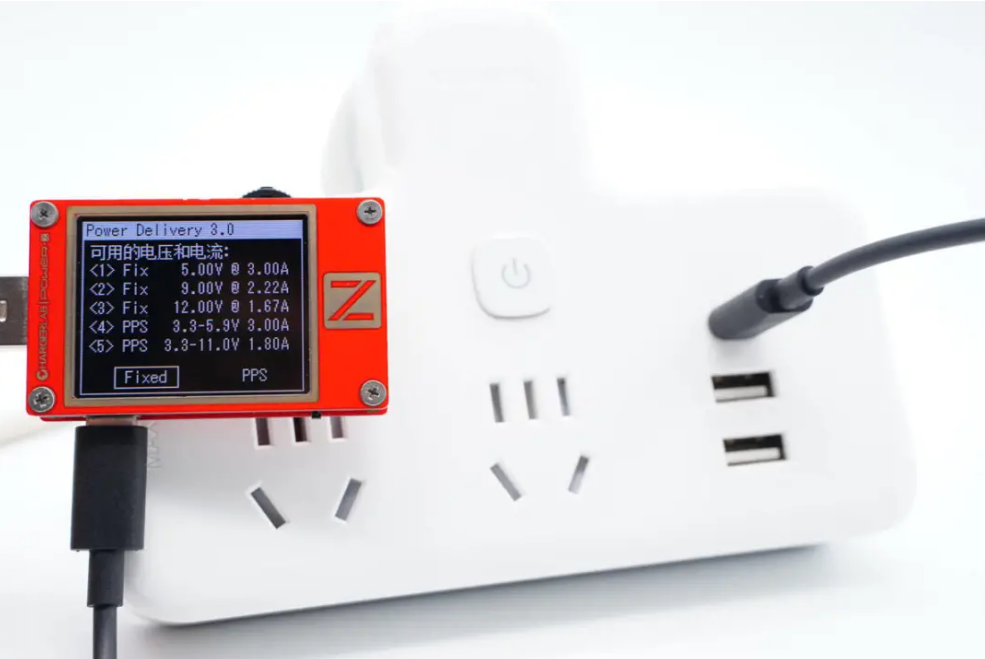
In addition, the PDO (Power Data Object) message shows that the USB-C port also offers three fixed voltage levels: 5V/3A, 9V/2.22A, and 12V/1.67A, along with two PPS (Programmable Power Supply) voltage ranges: 3.3–5.9V/3A and 3.3–11V/1.8A.
Teardown of the Siemens 20W Fast Charging Figure-8 Socket
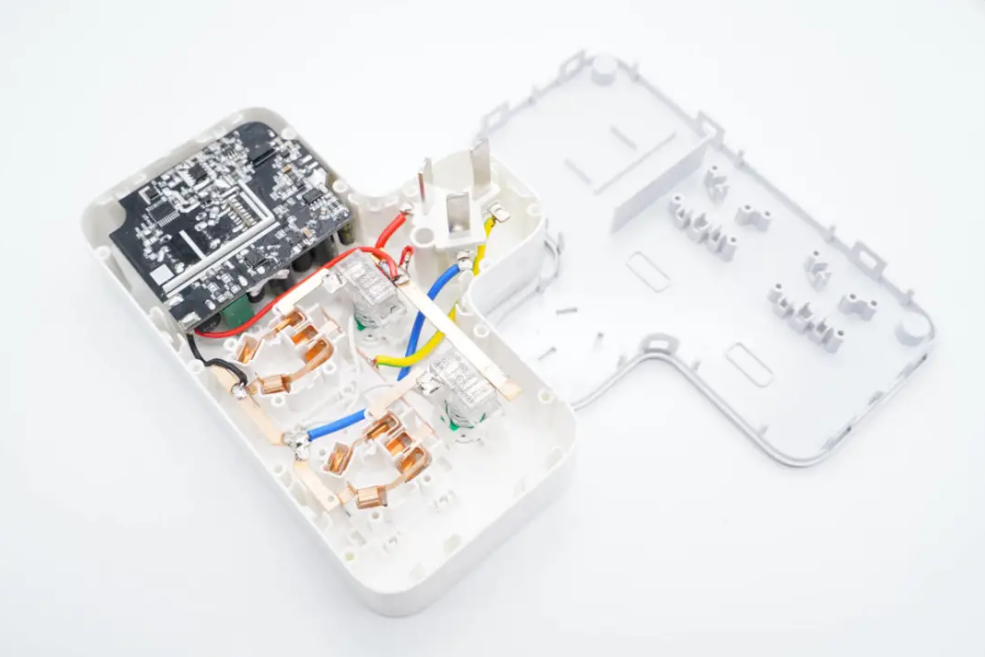
The housing is opened by unclipping the snap-fit latches that secure the enclosure.
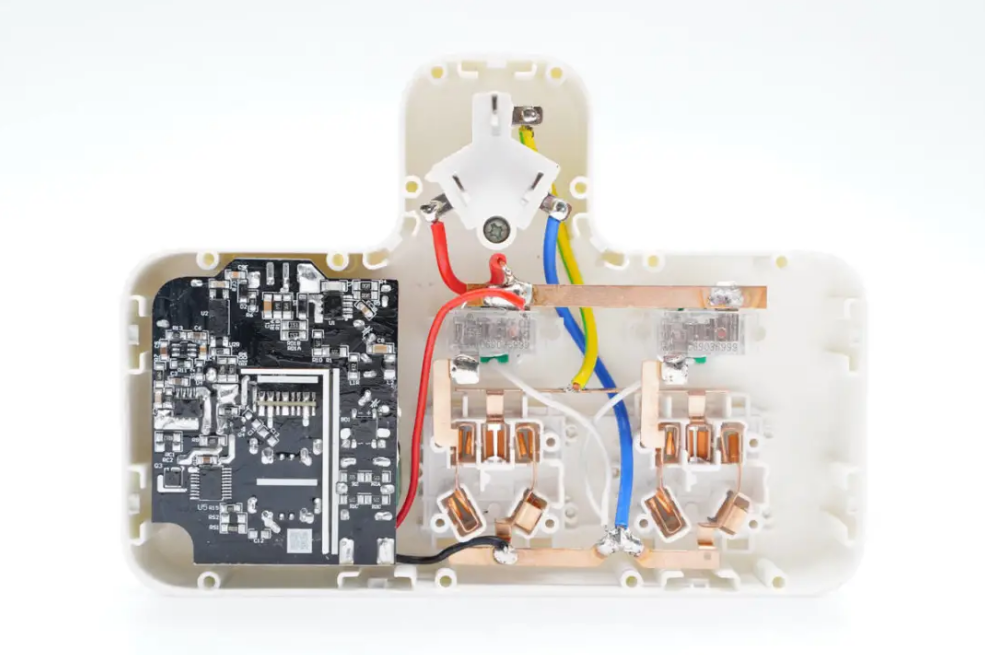
The plastic pin holder is secured with screws, with the USB module positioned on the left side.
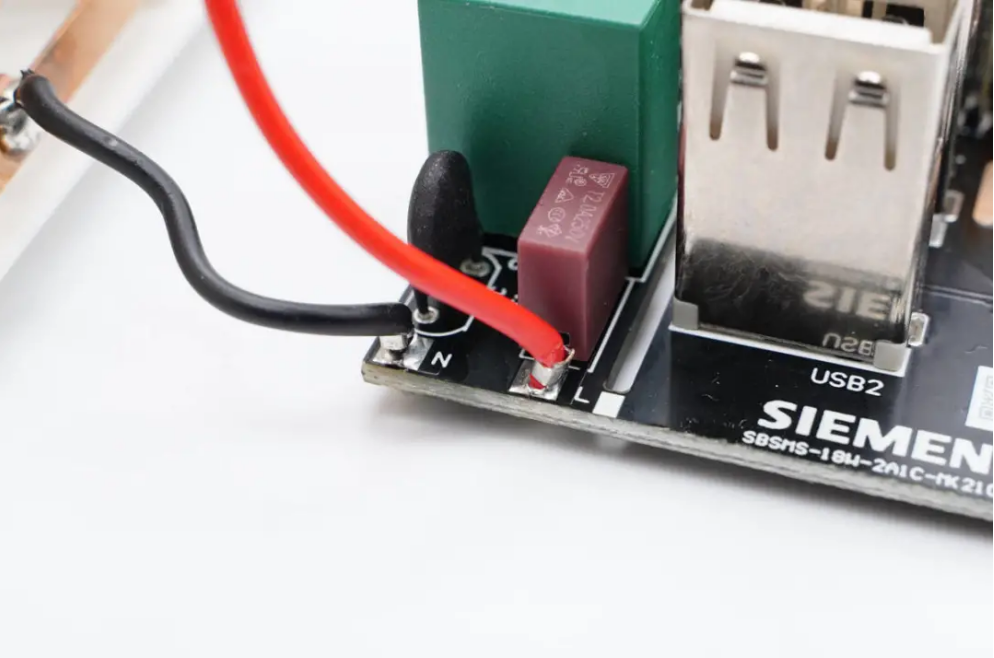
The USB module is powered through red and black wires.
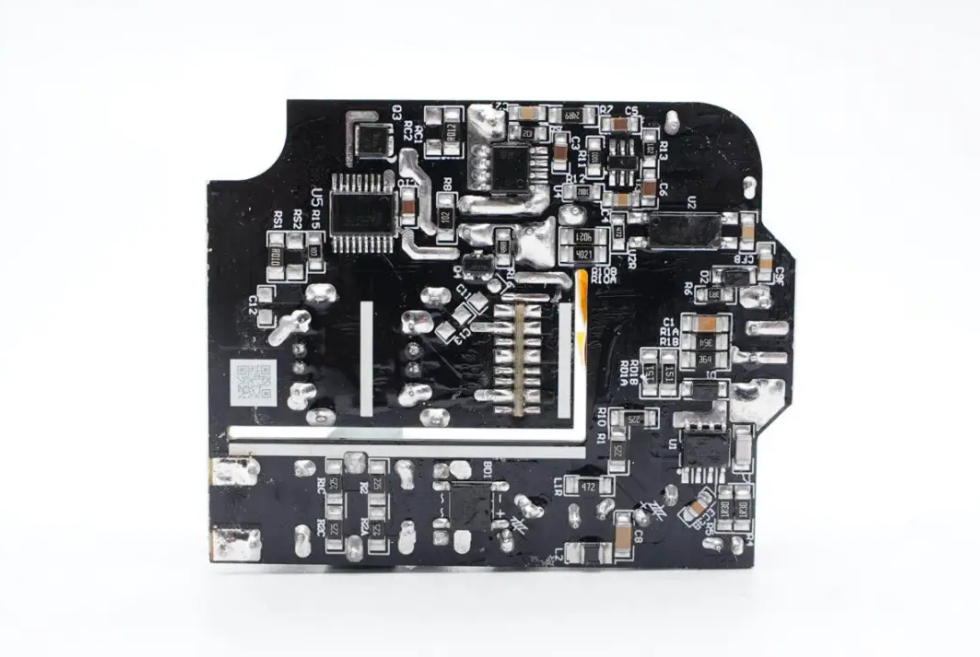
On the back of the main PCB, an isolation slot between primary and secondary sides also provides mechanical retention. The USB module uses a QR flyback topology, with a single protocol IC regulating the output of all three ports.
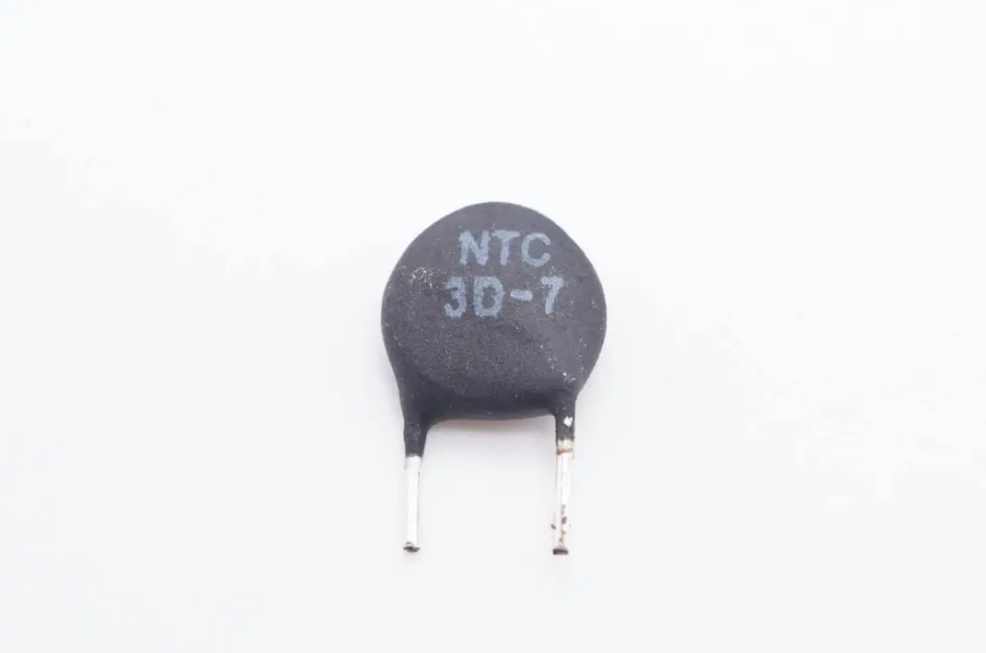
Close-up of the NTC inrush limiting resistor, which suppresses inrush current at startup.
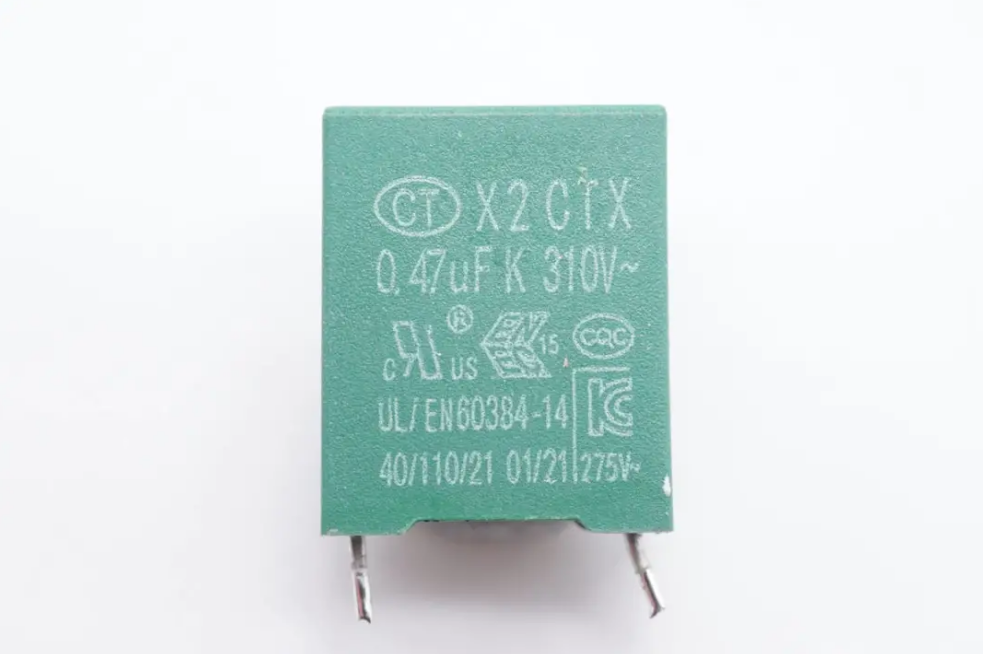
Close-up of the 0.47μF X2 safety capacitor.
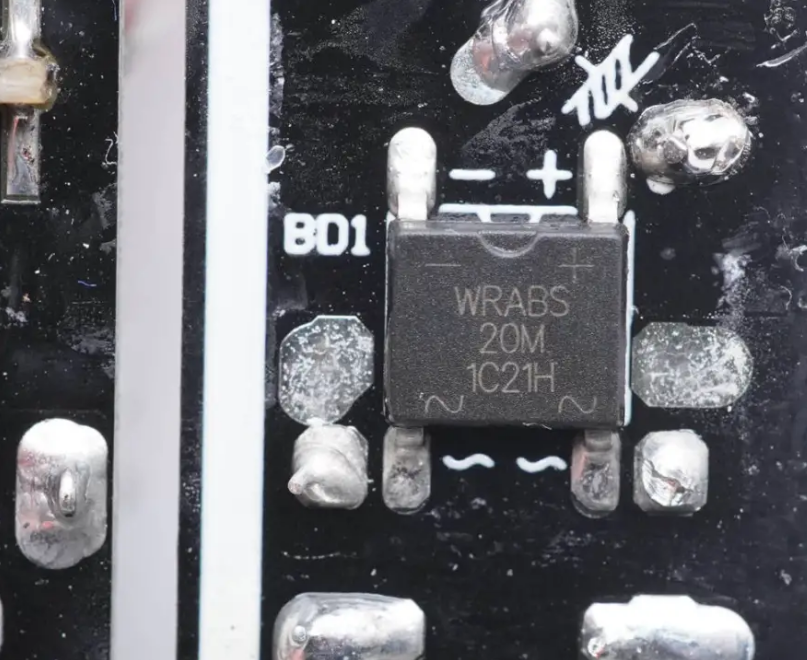
The rectifier bridge used is Shenzhen World Industrial Co., Ltd.'s WRABS20M. This soft recovery bridge, featuring a softer recovery curve and a relatively smooth turn-off characteristic, helps to reduce the diode junction capacitance, thereby minimizing harmonic oscillation effects .
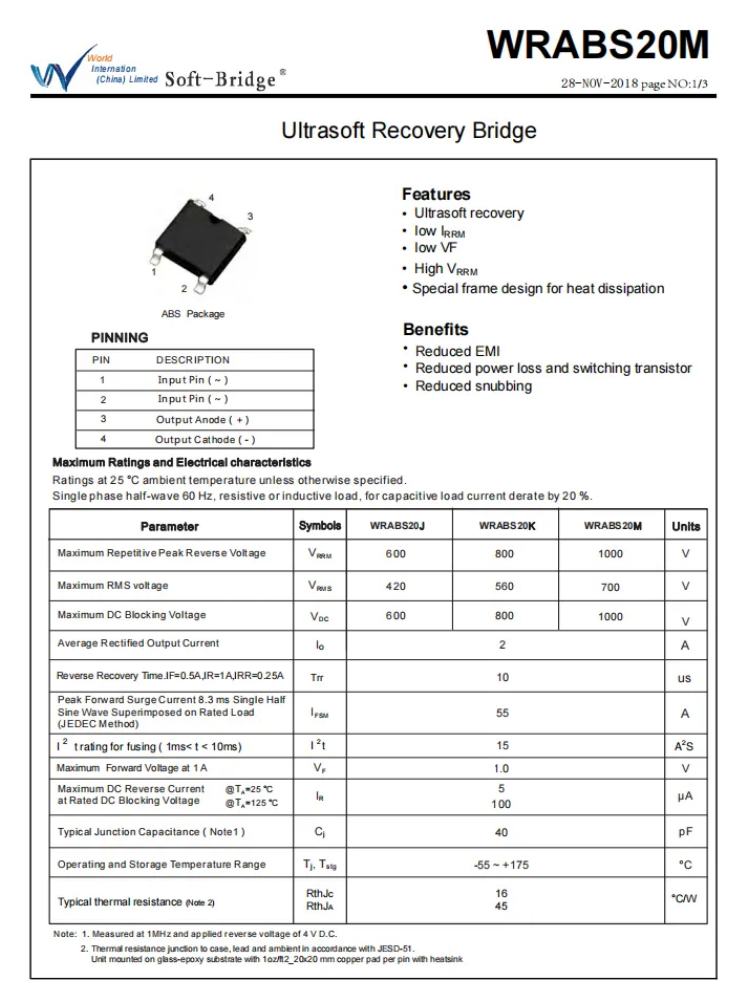
WRABS20M Datasheet Overview
According to ChargerLAB teardown reports, World's soft recovery bridge rectifiers have been adopted in a wide range of fast-charging products, including the Momax 100W 2A2C GaN fast charger, Nubia 45W 1A1C GaN fast charger, Bull 65W PD fast-charging socket, MCDODO 65W 2C1A GaN charger, Hongdasun 65W GaN charger, OPPO 50W GaN fast charger, and ROCK 65W GaN charger, among others. The product's performance has earned consistent recognition from customers.
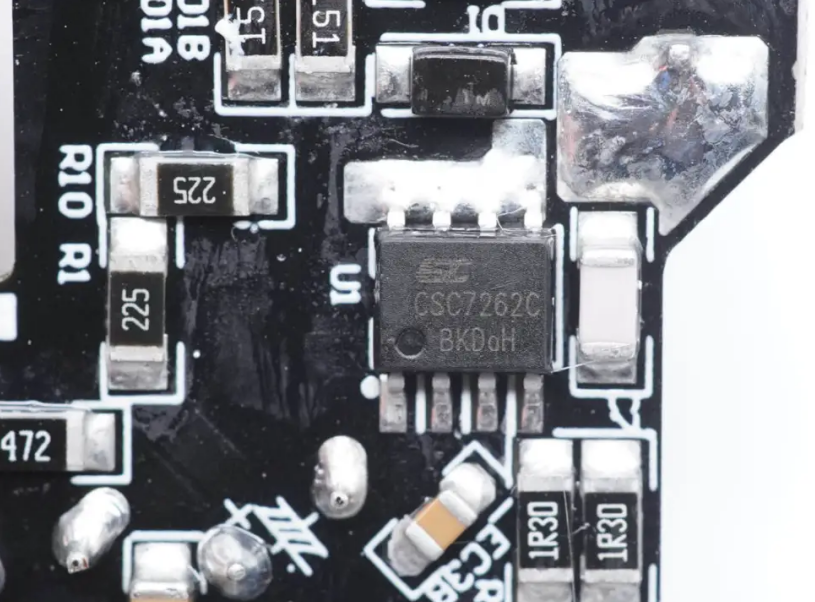
The primary switching power supply control IC is the Chip Source Micro CSC7262C.
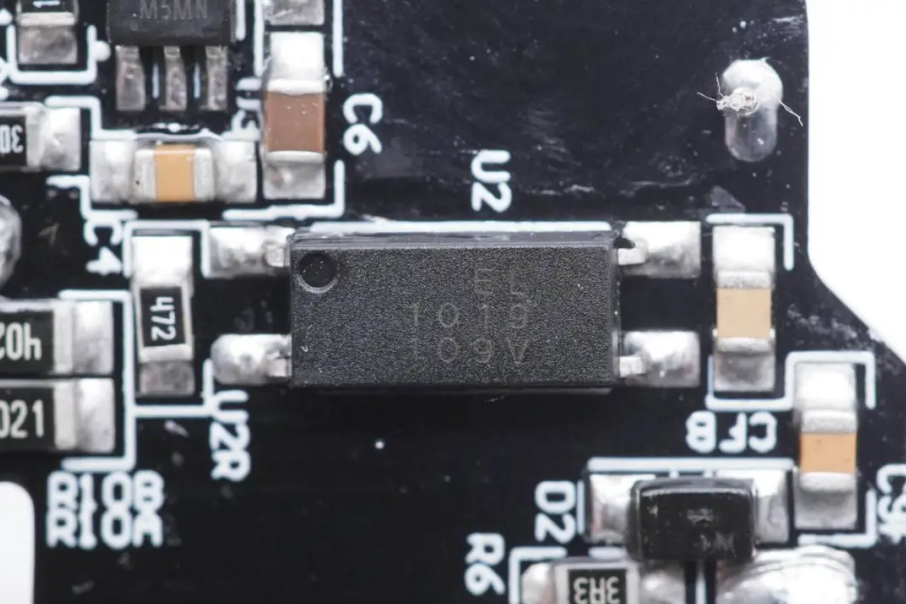
EL 1019 optocoupler, used for primary-secondary communication and output voltage feedback.
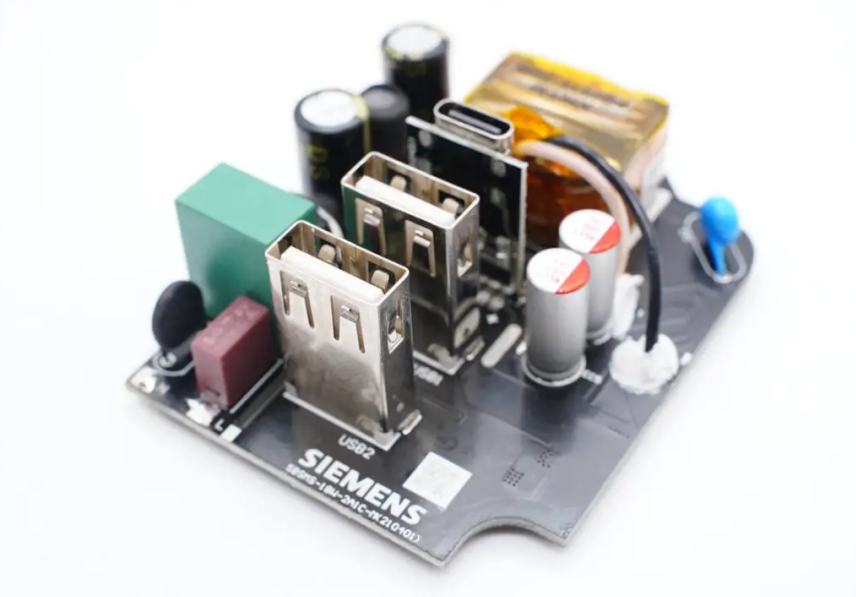
A view of the output side, where the USB-C receptacle is soldered onto a small PCB.
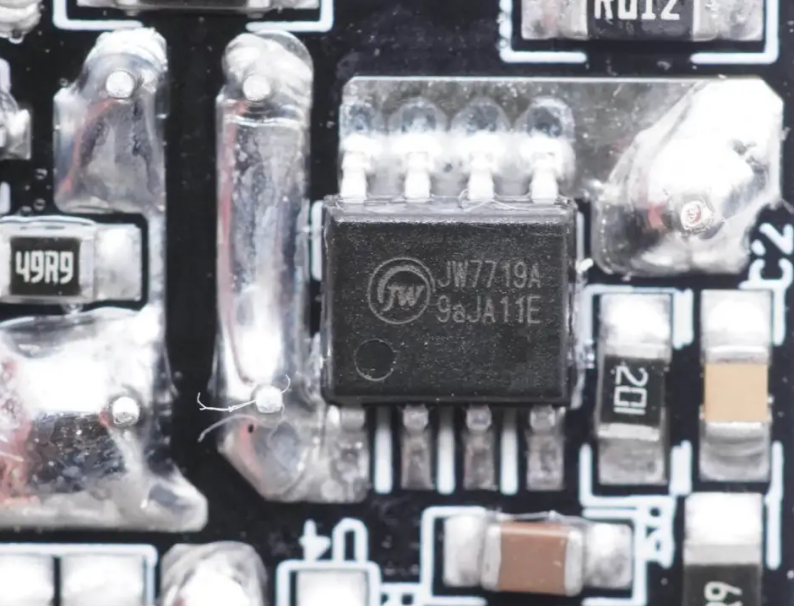
The synchronous rectifier IC is the JoulWatt JW7719A, which integrates a 100V MOSFET with an on-resistance of 10mΩ.
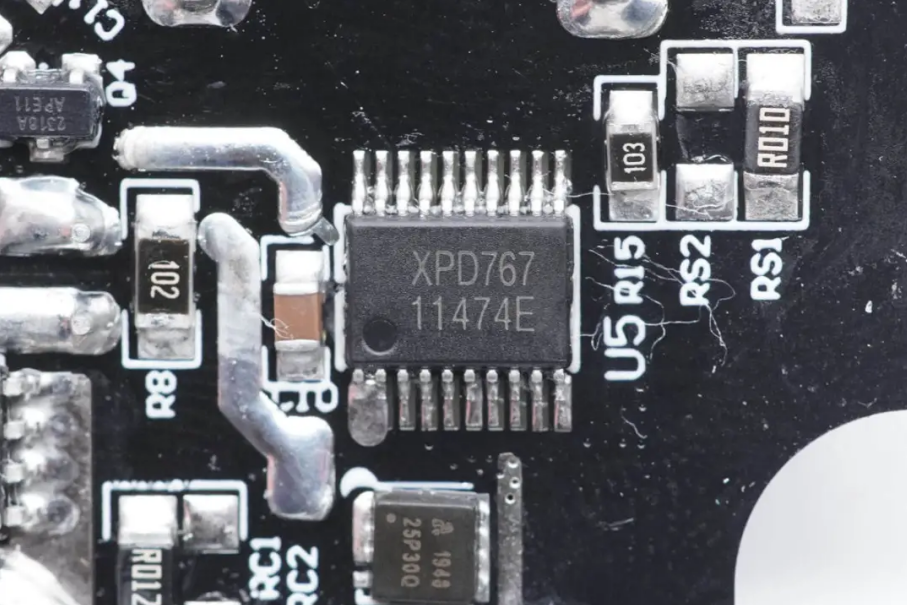
The two USB-A ports are controlled by a Silicon Semiconductor XPD767 protocol IC, which has obtained USB PD 3.0 certification (TID: 3479). It supports fast charging protocols including QC2.0/3.0/3.0+, AFC, FCP, SCP, HVSCP, PD, and PPS. The chip integrates a 10mΩ VBUS power switch and a 10mΩ current-sense resistor, and features comprehensive protection mechanisms. These integrations help reduce external component count, simplify circuit design, and lower overall system cost. The XPD767 is available in TSSOP-20 and QFN20 packages.
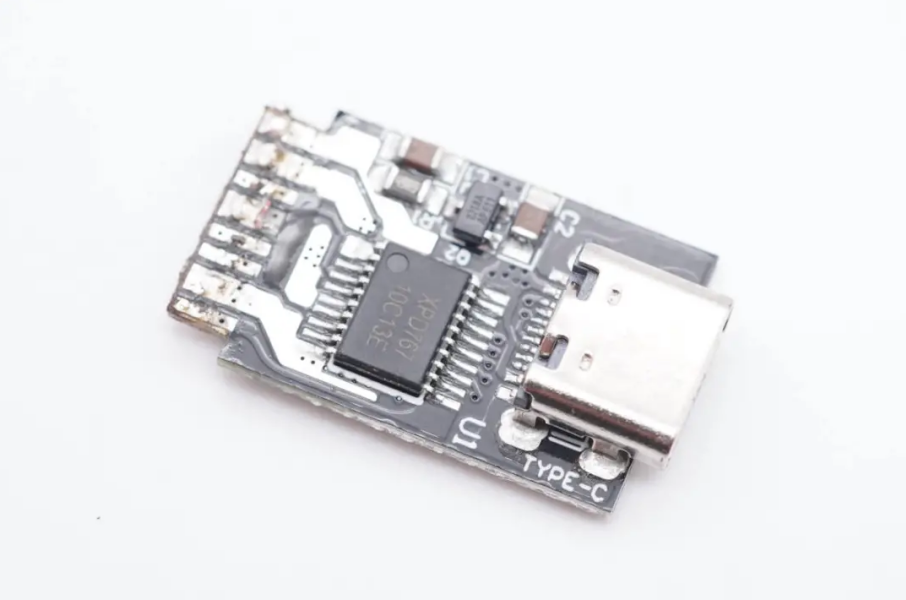
On the front side of the protocol daughter board, a protocol IC is installed.
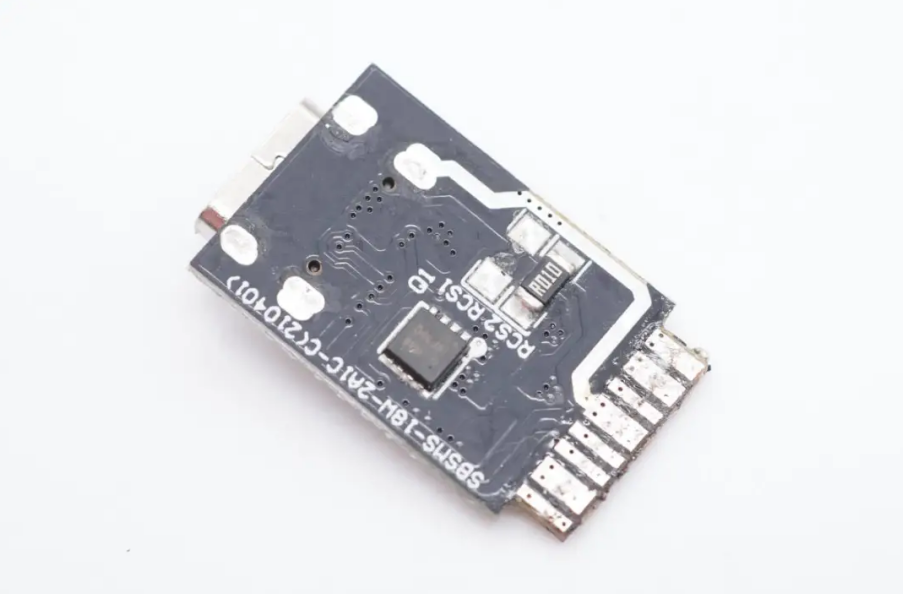
On the other side, an output VBUS switch MOSFET is provided.
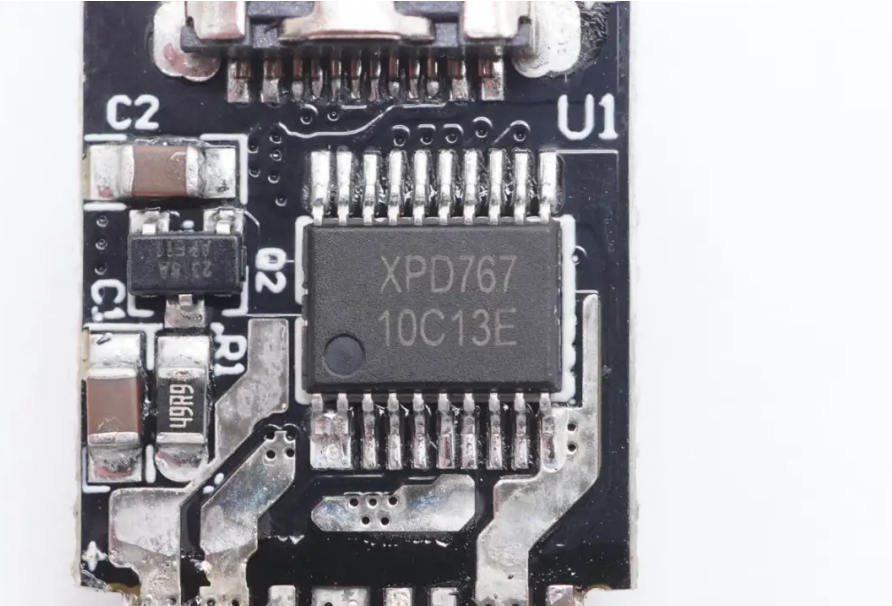
The USB-C port also uses the Silicon Semiconductor XPD767 as its protocol IC.
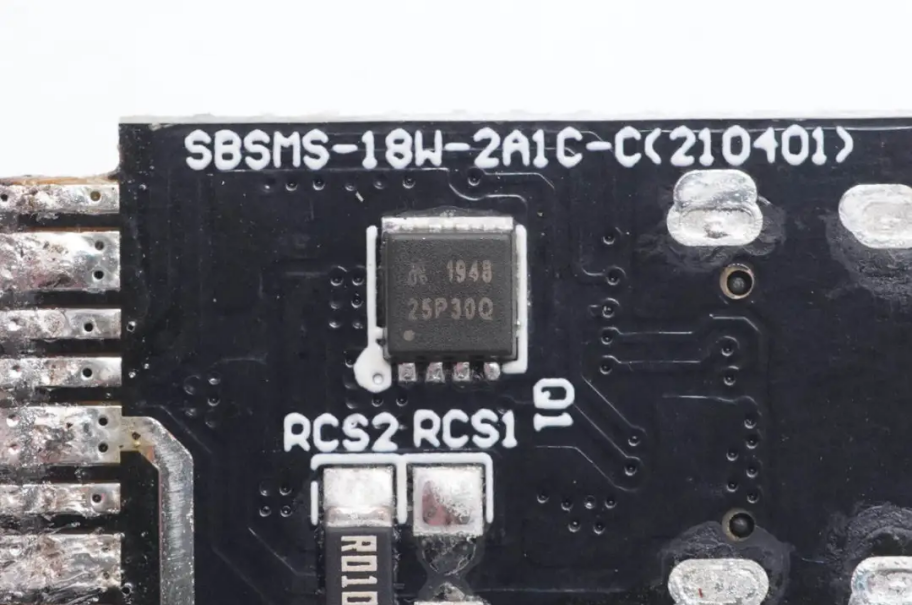
The output VBUS switch MOSFET is the same as well.
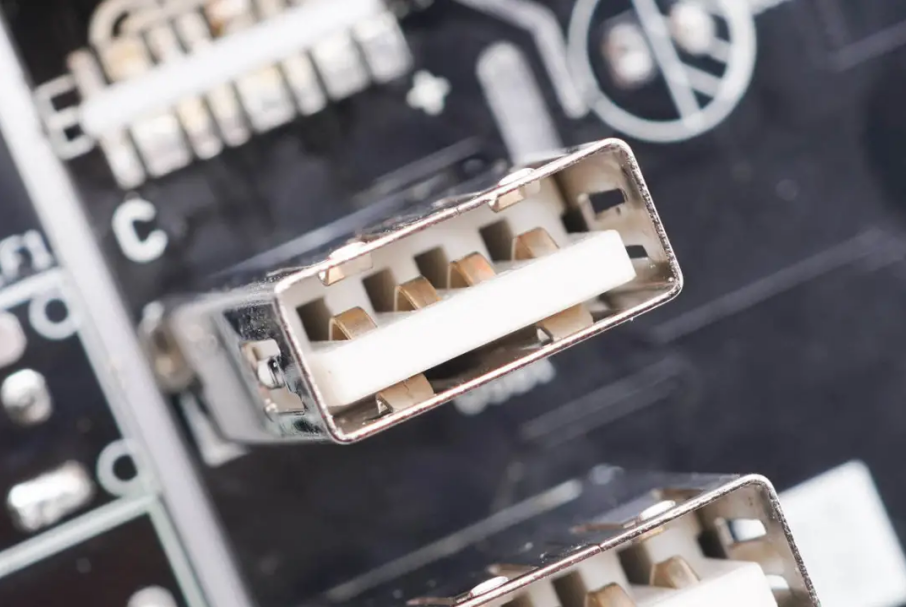
Close-up of the USB-A receptacle.
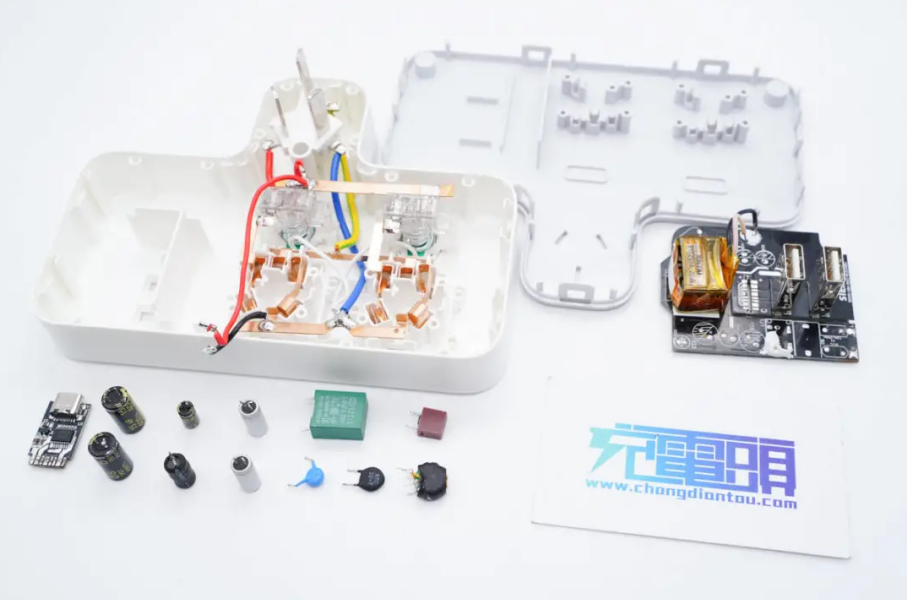
That concludes the teardown. Here is a family photo of all the disassembled components.
ChargerLAB Teardown Summary
Siemens' figure-8 fast-charging socket features integrated pins for flexible use and a cleaner desktop. Both 3+2 AC outlets include safety shutters and independent switches for safe, interference-free operation. Rated at 2500W, it supports appliances like rice cookers and coffee machines.


